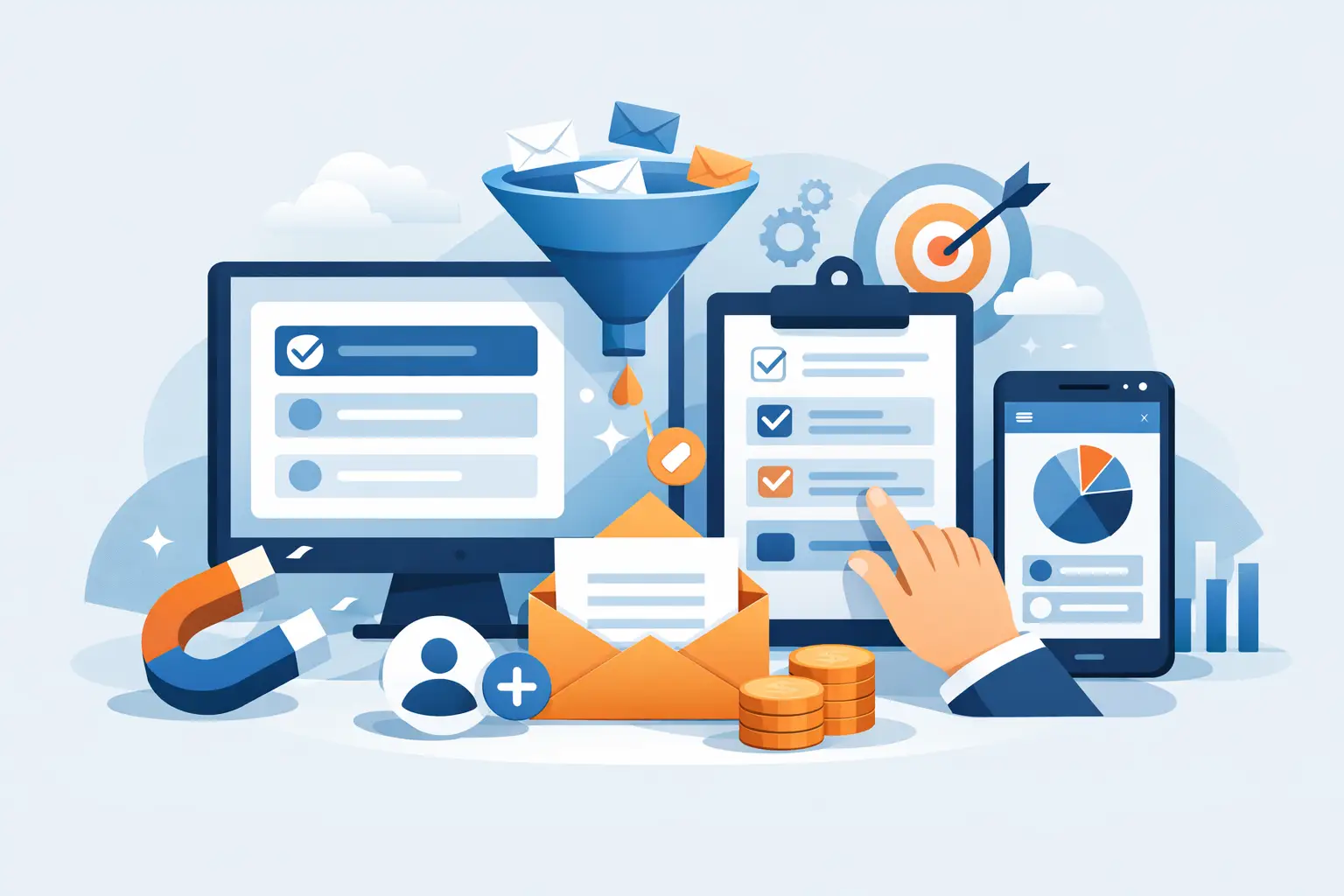
A visitor who will not download a generic newsletter PDF may happily answer six questions to find their ideal product, content plan, or service package. That is why quiz tools for email capture deserve a place in a serious conversion strategy. The right quiz does more than collect an address at the finish line. It gives people a reason to subscribe, tells you what they care about, and creates a smarter first step toward a sale.
For marketers dealing with flat opt-in rates and anonymous traffic, that is a major upgrade. But not every quiz platform is built for lead generation. Some are great for classroom assessments or social sharing, yet fall short on email integrations, answer logic, branding, and reporting. Choosing well means matching the tool to the funnel you want to build.
What Makes Quiz Tools for Email Capture Convert?
A high-performing lead quiz makes the email gate feel like part of the value exchange, not an interruption. The user invests time answering questions, becomes curious about the outcome, then shares an email to receive a personalized result. If the result is genuinely useful, the conversion feels earned.
The strongest quiz builders support outcome-based quizzes, personality quizzes, product recommenders, and assessments. Each format can capture leads, but they do different jobs. A skincare store may need a product matcher that recommends a routine. An agency may use a readiness assessment to identify high-intent prospects. A creator may build a personality quiz that makes audience growth more shareable.
The difference is intent. A quiz built around a real decision tends to produce more valuable contacts than one built only for entertainment. Fun still matters, especially at the top of the funnel, but relevance is what turns engagement into usable customer data.
The email form should come at the right moment
Most marketers place the opt-in form immediately before the results page. That is usually the best default because users already want to see what their answers mean. Ask for an email after they have completed the quiz, not before they see question one. An upfront gate adds friction before curiosity has had time to build.
There are exceptions. If you are running a high-intent B2B diagnostic, collecting contact details earlier can help filter low-quality submissions. Still, the quiz needs to make a clear promise: a benchmark, score, tailored recommendation, or practical next step worth receiving.
Segmentation is the real payoff
An email address alone is useful. An email address attached to quiz answers, an outcome, and a stated preference is far more valuable. Your email platform can send a different welcome sequence to someone who received “beginner” versus “advanced,” or show different offers to shoppers with different needs.
This is where a basic quiz form becomes a marketing asset. Look for platforms that can pass quiz outcomes, answer tags, scores, and custom fields to your email service provider. Without that connection, you may collect leads but lose the context that makes follow-up personal.
Features to Compare Before Choosing a Quiz Builder
Quiz software can look similar in a product demo. The practical differences show up once you build your first funnel, connect your email platform, and try to report on results. Prioritize these capabilities before getting distracted by templates.
- Flexible logic and scoring: You need the ability to route people to the right outcome based on answers, assign weighted scores, and use conditional follow-up questions when needed.
- Native email integrations: Direct connections to major email marketing platforms reduce manual exports and make it easier to trigger segmented automation immediately.
- Custom lead forms: Check whether you can choose which fields to collect, add consent language, control form placement, and decide whether email is required to view results.
- Brand control: Fonts, colors, images, buttons, domains, and mobile layout all affect trust. A quiz should look like part of your website, not a third-party detour.
- Analytics that connect to revenue: At minimum, measure quiz starts, completion rate, opt-in rate, outcome distribution, and clicks from results to your offer.
For ecommerce teams, product recommendation functionality deserves extra weight. The best tools can map outcomes directly to collections, products, or bundles. For lead-generation businesses, prioritize scoring, hidden fields, CRM compatibility, and the ability to flag sales-ready respondents.
Match the Tool to Your Funnel, Not the Hype
There is no universal best platform because email capture quizzes serve different business models. A fast, template-first tool may be perfect for a blogger who wants to launch an audience quiz this week. It may be too limited for an agency building complex client funnels with branching logic and white-label requirements.
If speed is your priority, choose a platform with polished templates, a visual builder, and straightforward email integrations. You can get a focused quiz live quickly and learn which angles earn the most opt-ins. This is often the smart starting point for smaller teams.
If personalization drives your revenue, invest in deeper logic. A personalized product finder or assessment needs reliable scoring rules, multiple result pages, and integrations that preserve answer-level data. It takes more planning, but it can increase conversion quality and make automated emails feel far more relevant.
WordPress users should also look closely at embedding options. A quiz that loads slowly, clashes with your theme, or requires visitors to leave your site can cost conversions. Native plugins are convenient, while embed-based builders can offer stronger design and logic. The better choice depends on your site setup, performance requirements, and how much control you need.
Build a Quiz That Earns the Opt-In
A tool cannot rescue a weak quiz concept. Before selecting software, identify one question your target customer already has. “Which service is right for me?” “What is my growth bottleneck?” “Which product fits my routine?” and “How prepared is my business?” are all stronger than a vague trivia concept.
Keep the quiz focused. Five to eight questions is often enough for a lead magnet quiz, though a more detailed assessment can justify 10 to 15 if each question feels useful. Make every question move the respondent toward a better recommendation. Questions added only to gather extra data can lower completion rates.
Your results page should do real work. Give the user a clear result, explain what it means, and offer a relevant action. That action might be a product recommendation, a consultation, a guide, or a tailored email series. Avoid ending with a generic “thanks for taking the quiz.” You have earned attention at the moment when intent is highest.
The first email matters just as much. Deliver the promised result or resource immediately, then continue with content that reflects the person’s quiz segment. Someone who scored as a beginner should not receive the same pitch as someone already evaluating premium solutions. This is where quiz-led personalization makes conversion rates move.
Metrics That Tell You Whether the Quiz Is Working
Do not judge a quiz by starts alone. A high start rate paired with poor completion could mean the opening promise is strong but the questions are too long, confusing, or intrusive. A high completion rate paired with weak email capture may mean the result page is not compelling enough to justify the opt-in.
Track the full path: page visits, quiz starts, completions, leads captured, email engagement, clicks to your offer, and eventual purchases or booked calls. Review results by traffic source as well. A quiz promoted in a targeted email campaign may produce fewer leads than one promoted on social media, but those leads may be far more likely to buy.
Run simple tests after you have enough traffic. Test the quiz headline, number of questions, email-gate copy, result title, and call to action one at a time. Major gains often come from clearer positioning, not a flashy redesign.
Avoid These Common Email Capture Quiz Mistakes
The fastest way to waste a promising quiz is to treat it as a standalone widget. A quiz needs a distribution plan, a follow-up sequence, and an offer aligned with each outcome. Otherwise, you have created engagement without a path to revenue.
Be careful with over-collection, too. Asking for a phone number, company size, budget, and several personal details before showing a lightweight result can damage trust. Collect the minimum data needed for the next step. You can learn more later through email behavior, progressive profiling, or a sales conversation.
Finally, make the privacy and consent experience clear. Your quiz may collect preference data that feels more personal than a basic newsletter form. Use straightforward language, follow applicable privacy requirements, and make sure your integrations store data accurately.
The best quiz is not the one with the most questions or the most elaborate design. It is the one that gives your audience a useful answer while giving your marketing team a meaningful signal. Choose a tool that supports that exchange, launch a focused first quiz, and let real conversion data guide the next version.